What to Expect During a Commercial Foundation Inspection
People searching for what to expect during a commercial foundation inspection can rely on local service providers to assess foundation health and identify potential issues.
Understanding what to expect during a commercial foundation inspection can help property owners feel more prepared and confident in the process. When a professional service provider visits a property, they typically begin with a visual assessment of the foundation and surrounding areas, looking for signs of issues such as cracks, uneven surfaces, or water drainage problems. This initial step provides valuable insights into the current condition of the foundation and helps determine if further evaluation or repairs are necessary. Property owners in the area often seek these inspections to prevent costly repairs down the line and to ensure their buildings remain stable and safe for occupants.
As the inspection progresses, local contractors may use specialized tools or techniques to assess the foundation’s stability more thoroughly. They might examine interior and exterior elements, including basement walls, support beams, and soil conditions, to identify potential concerns early. Knowing what to expect during a commercial foundation inspection can demystify the process and highlight how these evaluations support ongoing property maintenance and safety. Connecting with experienced service providers ensures that inspections are thorough and tailored to the specific needs of commercial properties, helping owners make informed decisions about their investments.
- Commercial building assessments - property owners may need this service when signs of foundation issues appear, and local contractors perform thorough inspections to identify structural concerns.
- Foundation stability evaluations - businesses planning renovations or expansions often require foundation inspections, which local service providers approach with detailed site examinations.
- Pre-purchase foundation inspections - buyers of commercial properties seek these inspections to ensure the stability of the foundation before finalizing a transaction, with local pros conducting comprehensive evaluations.
- Damage assessment after soil shifts - when ground movement causes visible cracks or uneven floors, local contractors perform inspections to determine the extent of foundation damage.
- Structural integrity checks for existing buildings - property managers or owners may request inspections to verify ongoing safety and stability, with local service providers using specialized evaluation methods.
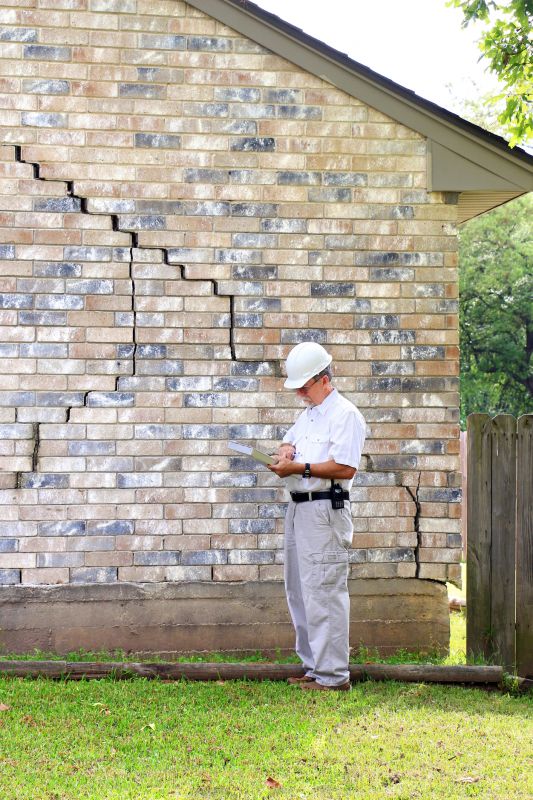

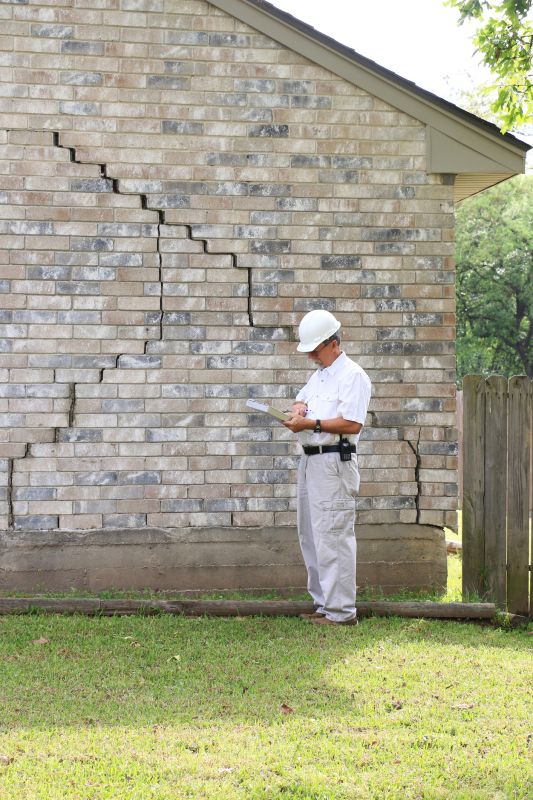
A commercial foundation inspection is a key step in assessing the structural integrity of a business or industrial property. When people search for what to expect during a commercial foundation inspection, they often want to understand the process involved and how it relates to their specific property. These inspections are typically requested when there are signs of foundation issues, such as uneven floors, cracks in walls or ceilings, or doors and windows that don’t close properly. Property owners or managers may also seek inspections as part of routine maintenance, before purchasing a property, or to prepare for renovations. Understanding what happens during the inspection helps owners anticipate the findings and plan appropriate repairs or reinforcement measures.
The scope of a commercial foundation inspection often relates to identifying problems that could compromise the safety or usability of the building. Common issues include settlement or shifting of the foundation, concrete cracks, erosion around the foundation perimeter, or signs of moisture intrusion that can weaken structural components. In some cases, property owners seek inspections to confirm the condition of the foundation after experiencing environmental stressors like heavy rainfall or drought. The inspection also helps in planning future projects, such as adding new structures or expanding existing ones, by ensuring the foundation can support additional loads. Local service providers who specialize in foundation inspections can evaluate these factors thoroughly, providing insights that guide repair strategies or construction plans.
Most commercial properties that come up during foundation inspections are industrial warehouses, retail centers, office buildings, or multi-unit complexes. These types of properties often have large, reinforced concrete foundations designed to support significant loads and heavy foot or vehicle traffic. Inspections for these properties typically involve visual examinations of exterior and interior areas, along with more detailed assessments like probing cracks or testing soil stability. Commercial foundations are usually more complex than residential ones, requiring specialized knowledge from experienced service providers. Property owners should understand that a comprehensive inspection considers both the visible signs of damage and underlying issues that might not be immediately apparent, ensuring a thorough evaluation of the foundation’s condition.
During a commercial foundation inspection, local pros will typically perform a combination of visual assessments and structural evaluations. They may examine foundation walls, footings, and slabs for cracks, shifts, or signs of movement. The inspection might include checking for water pooling, erosion, or drainage problems that could affect the foundation’s stability. In some cases, service providers use specialized tools or techniques like moisture meters or soil testing to gather additional information. Property owners can expect the process to be straightforward, with the inspector explaining what they observe and identifying areas of concern. This helps owners understand the current state of their foundation and what steps might be needed to address any issues, supporting informed decisions about repairs or ongoing maintenance.
Soil Testing Services - soil testing is essential for understanding ground conditions before foundation work, and local contractors skilled in soil analysis can assist with assessing stability during inspections.
Structural Assessment Projects - evaluating the integrity of existing structures shares techniques with foundation inspections, requiring expertise in identifying signs of settlement or damage.
Drainage System Inspections - proper drainage impacts foundation health, and service providers who evaluate drainage systems can help identify issues that may affect structural stability.
Concrete Repair Services - repairing or reinforcing concrete elements is related to foundation evaluation, as it involves assessing cracks and weaknesses during inspections.
Site Surveying and Mapping - detailed site surveys support foundation assessments by providing accurate measurements and topographical data for planning and evaluation.
Foundation Repair Services - foundation repair specialists often perform inspections to determine the extent of issues, making their expertise relevant during the inspection process.

When evaluating commercial foundation inspection services, it is important to consider the experience of local contractors with similar projects. A provider with a history of inspecting foundations for commercial properties comparable in size and construction type can offer insights into potential issues and appropriate solutions. This familiarity often translates into a more thorough assessment, as the contractor understands the common challenges and signs of foundation problems specific to commercial structures. Asking for details about their past work related to commercial foundations can help determine if they have the relevant expertise to handle the unique aspects of the inspection.
Clear, written expectations are a crucial factor when comparing service providers. A reputable contractor should be able to provide a detailed outline of what the inspection will cover, including the areas of the foundation that will be examined and the types of issues they will look for. This documentation helps ensure transparency and allows property owners to understand what is included in the service. Having a clear understanding of the scope of work also makes it easier to compare different providers and choose the one that best aligns with the specific needs of the property.
Reliable references and good communication are key indicators of a trustworthy service provider. Reputable local contractors should be able to provide references from previous commercial clients, demonstrating their experience and professionalism. Additionally, effective communication throughout the process-such as prompt responses to questions and clear explanations of findings-can help property owners feel confident in the inspection process. Choosing a contractor who maintains open lines of communication and has positive references can lead to a smoother experience and better-informed decisions regarding foundation concerns.
Property owners often search for what to expect during a commercial foundation inspection when they are planning practical projects around their homes and businesses. Local pros provide Commercial Foundation Inspection services for everyday jobs and straightforward project options.


During a commercial foundation inspection, property owners in the area can expect a thorough assessment of the building’s structural base. Local contractors typically begin with an exterior examination, looking for visible signs of trouble such as cracks, uneven surfaces, or shifting soil around the foundation. Inside the building, they may check for issues like uneven floors, sticking doors or windows, and any signs of water intrusion that could indicate underlying foundation concerns. This process helps identify potential problems early, allowing owners to plan for necessary repairs or maintenance to keep the structure stable.
Business owners and property managers often seek out commercial foundation inspection services to ensure their buildings remain safe and functional. During these inspections, service providers focus on common issues that can develop over time, such as settling or shifting that might compromise the integrity of the foundation. Understanding what to expect during a commercial foundation inspection can help owners feel prepared for the process, which generally involves visual inspections and assessments of structural elements. Connecting with experienced local contractors can provide clarity on the condition of a commercial property’s foundation and help determine the best course of action if issues are found.
What happens during a commercial foundation inspection? During a commercial foundation inspection, service providers typically examine the foundation for signs of damage, such as cracks, settling, or water intrusion, and assess the overall structural integrity of the building’s base.
What areas do contractors focus on during the inspection? Contractors usually focus on key areas like foundation walls, footings, slab conditions, and any visible signs of movement or deterioration that could impact the stability of the structure.
How do professionals identify potential foundation issues? Professionals look for visible cracks, uneven floors, sticking doors or windows, and other signs of foundation movement or stress, often using specialized tools to detect subsurface problems.
What should property owners expect during the inspection process? Property owners can expect the contractor to perform visual assessments, possibly use probing or testing tools, and discuss any observable concerns or recommendations based on their findings.
Why is a foundation inspection important for commercial properties? A foundation inspection helps identify potential issues early, allowing property owners to address problems before they worsen, which can prevent costly repairs and ensure the safety and stability of the building.
Understanding inspection scope - property owners can learn what areas and structures will be examined during the inspection to prepare for the process.
Identifying common issues - recognizing signs of foundation problems, such as cracks or uneven floors, helps property owners know what to look for before the inspection.
Preparing for the inspection - ensuring access to key areas and clearing obstructions allows local contractors to perform a thorough assessment efficiently.
Reviewing inspection findings - understanding how results are communicated helps property owners plan necessary repairs or further evaluations with local service providers.
If you are thinking about what to expect during a commercial foundation inspection for a property, this guide is meant to help you understand this topic, the typical project types, and how different options might fit your plans.
When you are ready, you can use the quote form on this page to share a few details about your project. From there, local pros can review the basics and follow up with options that match what you have in mind.