
Popular Foundation Repair Materials For Structural Restoration
Learn about top materials used in foundation repair that provide strength, durability, and reliable support for your property.
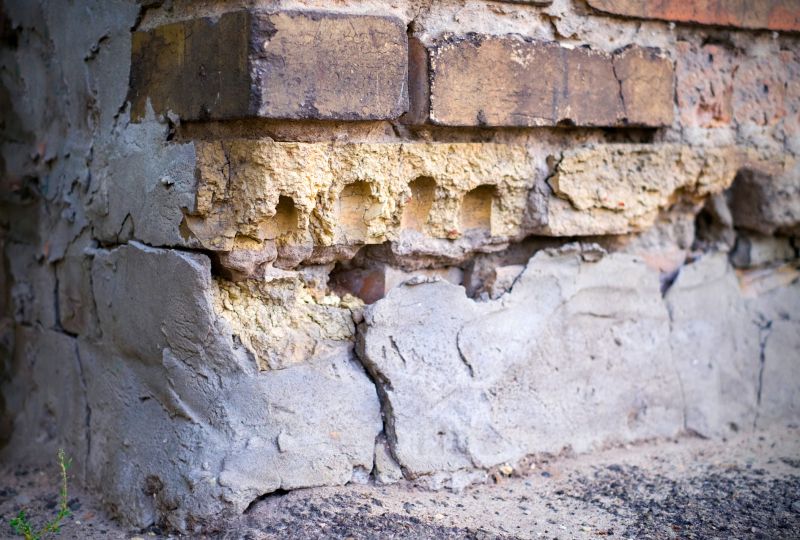 Foundation repairs are a critical aspect of maintaining the structural integrity of a building, especially in areas like Bethlehem, PA, where soil conditions can vary. Selecting appropriate products for foundation repair involves understanding the different types of solutions available, each designed to address specific issues such as settling, cracking, or shifting foundations. From underpinning systems to stabilization materials, the right products can help reinforce and stabilize a foundation to prevent further damage.
Top Overall Option
Polyurethane Foam Injection System
A versatile and minimally invasive solution, polyurethane foam injection systems are used to stabilize and lift settling foundations. They expand upon injection, filling voids and cracks to restore stability. This method is suitable for a range of foundation issues, including minor cracks and soil settlement, and can be applied with precision to target specific problem areas. When properly installed, polyurethane foam can provide a quick, clean, and effective repair option for homeowners and professionals alike.
Types of Products For Foundation Repairs
Helical Pier Systems
Helical piers are used to stabilize and support foundations by anchoring into stable soil layers deep beneath the surface, ideal for uneven or shifting ground.
Push Piers
Push piers are driven into the ground beneath the foundation to lift and stabilize sinking structures, suitable for severe settlement issues.
Beam Jacking Equipment
This equipment is used to lift and realign foundation beams, often in conjunction with other stabilization products.
Epoxy Injection Kits
Epoxy injections seal cracks and bond damaged concrete, restoring structural integrity and preventing water intrusion.
Polyurethane Foam Injections
Used to fill voids and stabilize soil beneath the foundation, providing a quick and minimally invasive repair method.
Soil Stabilization Grouts
Grouts improve soil bearing capacity and reduce settlement by reinforcing loose or unstable soil layers.
Steel Push Piers
Steel push piers are driven into the ground to provide long-term support for foundations experiencing settlement.
Underpinning Plates
Underpinning plates are installed beneath existing footings to extend support and prevent further movement.
Concrete Slab Jacking
This method involves raising sunken concrete slabs using grout or foam to restore level surfaces.
Drainage and Waterproofing Products
Proper drainage and waterproofing are essential to prevent water-related foundation issues, including waterproof membranes and drainage pipes.
Foundation Bolts and Anchors
These secure and reinforce existing foundations, especially in areas prone to shifting or seismic activity.
Crack Repair Sealants
Sealants help prevent water infiltration and further cracking in foundation walls.
Soil Moisture Control Devices
Devices such as moisture barriers and irrigation systems help maintain consistent soil moisture levels to prevent shifting.
Vapor Barriers
Vapor barriers installed beneath slabs or within crawl spaces help control moisture and reduce foundation movement caused by soil expansion or contraction.
Foundation Monitoring Systems
These systems track shifts and movement over time, providing data to inform ongoing maintenance or repairs.
Popular Choices
Often used for supporting and leveling sinking foundations, hydraulic push piers are a common choice for their strength and reliability.
Popular for quick repairs, foam injection kits are effective for filling voids and stabilizing soil beneath foundations.
Widely used for sealing cracks, epoxy kits help restore strength to cracked concrete and prevent water intrusion.
These piers are favored for their ability to provide deep, stable support in shifting or unstable soil conditions.
Underpinning products are frequently selected to reinforce and extend the support of existing foundations.
Sealants are commonly applied to cracks and joints to prevent water infiltration and further deterioration.
Effective drainage solutions are in high demand to manage water around foundations and reduce soil erosion.
Moisture barriers are popular for protecting crawl spaces and basements from excess moisture that can affect foundation stability.
This foam is often used for leveling uneven concrete slabs, restoring surface evenness efficiently.
Foundation bolts are commonly used to reinforce and secure existing structures against shifting.
These sealants are frequently chosen for their ease of use in sealing small to large cracks in concrete walls.
Popular for enhancing soil stability, these grouts are used in various soil reinforcement applications.
Membranes are widely applied to foundation walls to prevent water ingress and protect structural integrity.
These barriers are commonly installed to control moisture levels beneath structures.
Sensors for foundation monitoring are increasingly used to track movement over time and inform maintenance decisions.
Many foundation repair products are engineered to work in conjunction with professional assessments, ensuring that the chosen solution matches the severity and type of foundation problem. It is essential to consider factors like soil type, foundation material, and the extent of damage when selecting repair products. Proper installation and high-quality materials are vital to achieving lasting results, and consulting with a foundation specialist can provide valuable guidance.
In addition to traditional repair methods, there are innovative products designed to provide quick and effective stabilization. These include hydraulic piers, epoxy injection kits, and polyurethane foam injections, each suited for different types of foundation issues. Regular inspections and early intervention can also help identify problems before they become severe, potentially reducing repair costs and preserving the safety of the structure.
When considering foundation repair products, it is important to prioritize durability, compatibility with existing materials, and ease of use. Whether dealing with minor cracks or major shifts, the right products can make a significant difference in restoring stability and ensuring the longevity of a building. Ultimately, a combination of quality products and professional expertise offers the best approach to foundation maintenance and repair in Bethlehem, PA.
Key Buying Considerations
- Assess the severity and type of foundation issue to select the most appropriate product.
- Consider the soil conditions and whether they require stabilization or support reinforcement.
- Evaluate the compatibility of repair products with existing foundation materials such as concrete, brick, or stone.
- Determine whether a minimally invasive solution like foam injections is suitable or if more extensive underpinning is necessary.
- Check the load-bearing capacity of products to ensure they meet the demands of your structure.
- Review installation requirements and whether professional assistance is recommended or necessary.
- Prioritize products with proven durability and high-quality materials to ensure long-term performance.
- Consider the ease of application and whether DIY options are feasible or professional installation is preferred.
- Factor in the cost and whether it aligns with your budget, keeping in mind that longer-lasting solutions may have higher upfront costs.
- Evaluate warranty options and manufacturer support to ensure assistance if issues arise later.
- Research product reviews and testimonials to gauge real-world effectiveness and user satisfaction.
- Ensure the selected products are suitable for your climate and environmental conditions in Bethlehem, PA.
- Think about maintenance requirements and whether ongoing inspections or treatments are needed.
- Verify that the products comply with local building codes and regulations.
- Consider the potential impact on property value and future resale when choosing repair solutions.